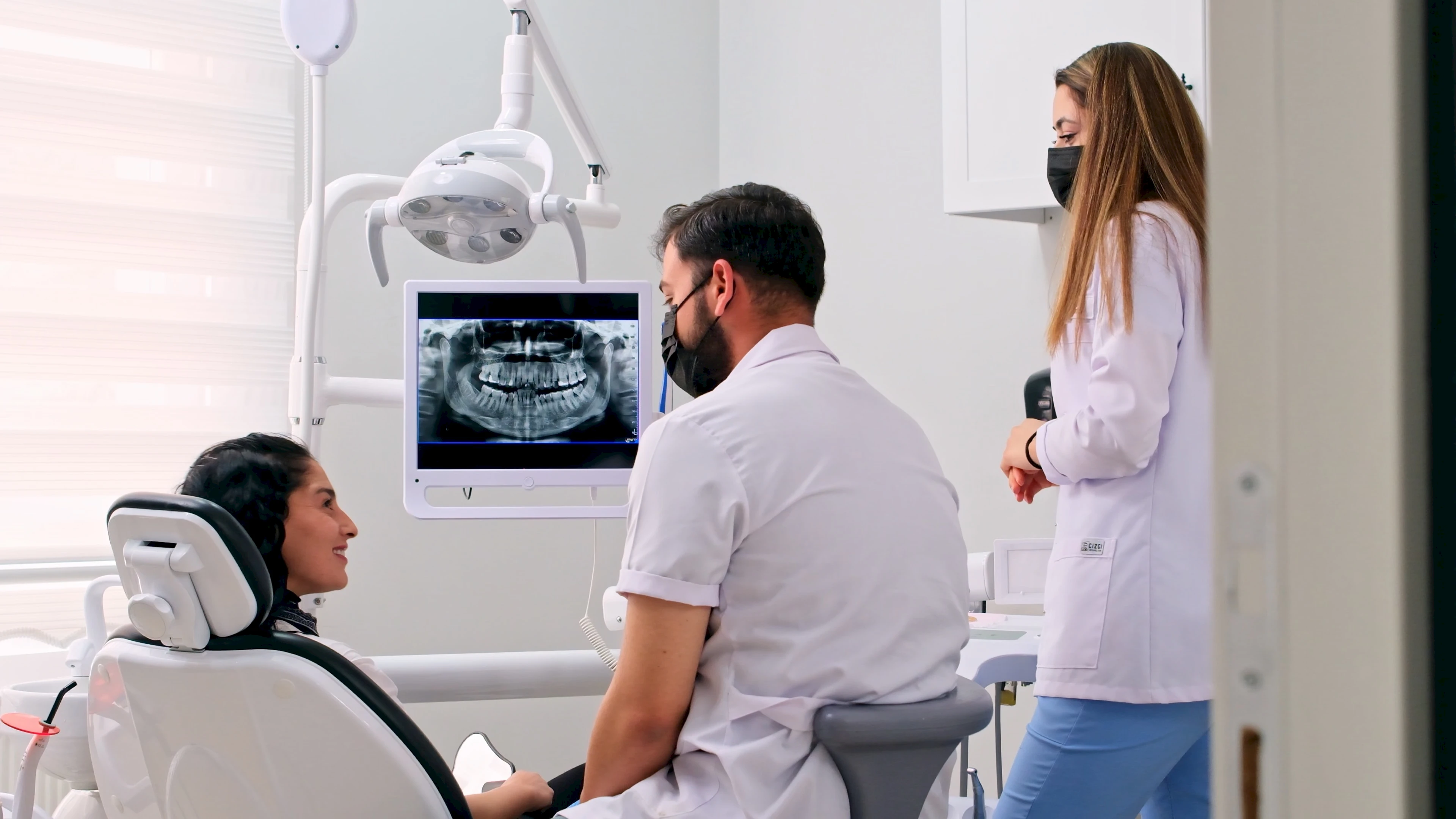
Teeth Whitening

Teeth whitening, also known as teeth bleaching, is a cosmetic dental procedure aimed at lightening the color of natural teeth and removing stains and discolorations. This non-invasive treatment enhances the brightness of the smile, resulting in a more youthful and vibrant appearance. Teeth whitening is a cosmetic dental procedure that lightens discoloration of teeth to achieve a brighter, whiter smile. Various methods are available, including in-office treatments and at-home whitening kits.
Teeth whitening is a popular cosmetic dental procedure that can dramatically improve the appearance of your smile. It works by removing stains caused by food, drinks, smoking, and aging. There are two main options: in-office whitening treatments performed by a dentist and at-home whitening kits. In-office treatments offer faster and more dramatic results, while at-home kits are more convenient and affordable. With proper care and maintenance, the results of teeth whitening can last for several years.
Goals of Teeth whitening

Brighten Your Smile with Teeth Whitening
There's no one-size-fits-all approach to teeth whitening. We offer various options to achieve your desired level of brightness. In-office whitening treatments deliver dramatic results in a single visit, perfect for those seeking a quick transformation. For a more gradual approach, at-home whitening kits provide a convenient and affordable solution. Our dentists will help you choose the right option based on your specific needs and budget.

The Benefits of Teeth Whitening
Teeth whitening isn't just about aesthetics; it offers a multitude of benefits. A brighter smile can boost your confidence and self-esteem, making a positive first impression. Beyond aesthetics, removing stains can improve oral health by preventing the buildup of plaque and bacteria. Teeth whitening can also restore a more youthful appearance and enhance your overall facial features. Discover how a whiter smile can transform your life in more ways than one.
Big Discount on Dental Services at Özel Beyaz Diş!
Get the Perfect Smile You Deserve with Our Special Offer!
At Özel Beyaz Diş, we are excited to announce our exclusive discount on essential dental services designed to give you a healthier and more radiant smile!
Services Included in the Offer:
1. Teeth Cleaning: Professional cleaning to remove plaque, tartar, and stains, ensuring your teeth and gums are healthy.
2. Dental Polishing: Polishing your teeth to make them smooth and shiny, giving you that extra sparkle in your smile.
3. Teeth Whitening: Advanced whitening treatment to brighten your teeth, making your smile whiter and more vibrant.
Special Price:
4500 TL➡️ 2.990 TL
Yes, you read that right! All these services are now available for only 2.990 TL instead of the original price of 4500 TL. This is your chance to take advantage of our top-notch dental care at an unbeatable price.
Why Choose Özel Beyaz Diş?
- Experienced Team: Our skilled dentists and hygienists are dedicated to providing exceptional care.
- Advanced Technology: We use state-of-the-art equipment and techniques for optimal results.
- Comfort and Care: We prioritize your comfort and ensure a relaxing and pleasant experience during your visit.
How to Avail the Offer:
1. Book an Appointment: Contact us to schedule your visit.
2. Visit Our Clinic: Come in for your appointment and enjoy our comprehensive dental services.
3. Walk Out with a Brighter Smile: Leave our clinic with a cleaner, healthier, and brighter smile.
Contact Us:
???? Phone: +90 501 054 92 99
???? Email: info@ozelbeyazdis.com
???? Location: Kusadasi, Turkey
Don’t miss out on this limited-time offer! Enhance your dental health and boost your confidence with a dazzling smile. Book your appointment today and take the first step towards a healthier, more beautiful smile with Özel Beyaz Diş.
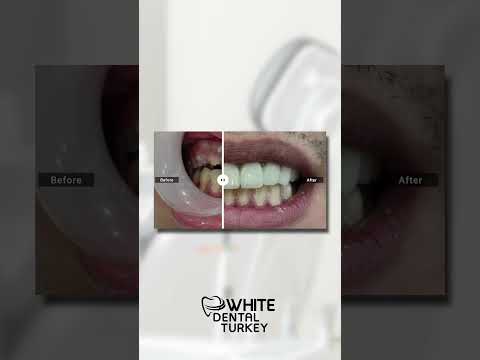
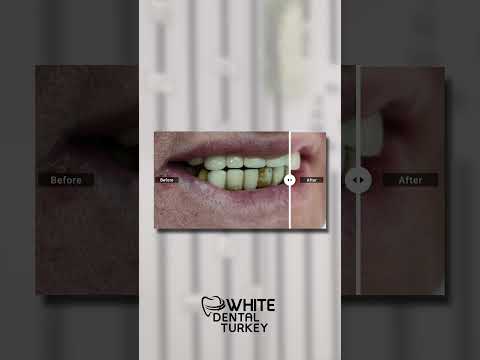
Before/After Teeth Whitening
Witness the dramatic before-and-after results of professional teeth whitening, showcasing the transformative power of a brighter smile. Experience the confidence boost and enhanced aesthetics achieved through safe and effective teeth whitening procedures.


Most Frequently Asked Questions About
What is Teeth Whitening?
Teeth whitening allows the teeth to regain their white color that has faded over time. The whitening level varies depending on the structure of the tooth and the substances applied. Teeth whitening is a cosmetic treatment and is performed according to the wishes of our patients. However, the amount of these chemicals varies among products. These substances, called bleach, are absorbed from the top layer of the tooth, which we call the enamel layer, and reach the second layer of the tooth, the dentin, which is slightly softer than the enamel , and lighten the dark colors.
What are the teeth whitening methods?
The most effective method for whitening is laser whitening. First of all, the lips and gums are protected with retractors and barriers. Whitening gel is applied to the teeth and activated by the laser beam. This gel becomes active in a short time like 15-20 minutes . Thus, it lightens the tooth color by 2-3 shades. Laser whitening is a fast, reliable and effective whitening system.
How long does the whitening effect last?
The result of the whitening process varies depending on the person's tooth structure. It will continue its whitening effect for approximately 6 months to 1 year. Of course, this period also depends on the person himself. Must pay attention to oral hygiene. He should brush his teeth regularly . If you pay attention to the issues we recommend after the procedure in our clinic, your whitening will last longer.
Why Do Teeth Lose Their Whiteness?
Dark spots may appear on tooth enamel for various reasons. These stains can develop inside or outside the tooth enamel. Stains inside the tooth enamel are called internal stains . These are color changes due to health problems that cause damage or loss of function in the tissues inside the tooth. usually seen in childhood, during the growth and development period of the tooth, with fever , medication use such as antibiotics , trauma to the tooth, infections, caries or aging. Internal staining can sometimes occur during childhood, before the teeth emerge from the gums. These types of color changes require professional techniques. External stains are the effects of the outer surface of the tooth. occur due to environmental exposure to discoloration of tooth enamel . Teeth losing their whiteness from the outside can be caused by many reasons. Consuming certain foods and beverages, especially coffee and tea, using tobacco, aging, and the use of certain medications such as antihistamines and chemotherapy are effective.
Who is a candidate for teeth whitening?
Most individuals with healthy teeth and gums and realistic expectations for teeth whitening results are candidates for professional teeth whitening. However, a dental evaluation is necessary to determine suitability and develop a personalized treatment plan.
What are some tips for maintaining white teeth after whitening treatment?
Brush your teeth twice a day with a fluoride toothpaste.
Floss daily to remove plaque and food particles.
Avoid staining foods and drinks, such as coffee, red wine, and cigarettes.
Consider touch-up treatments with whitening toothpaste or at-home kits to maintain your desired level of brightness
Why is teeth whitening needed?
The appearance of teeth is important for people who pay attention to their personal care. Shape and discoloration of teeth can even cause psychological disorders. restorative materials in dentistry, many color, shape and position disorders can be easily resolved.
Is Teeth Whitening Safe?
Teeth whitening can be considered safe when applied correctly. When applied by a professional dentist and following the recommendations, there will be no problems. The condition that may occur after the procedures is sensitivity. Whitening sensitivity does not last more than a day. This sensitivity is directly related to the whitening gel used, treatment duration and quality of the product used. strive to perform whitening with the most reliable brands and correct methods in our clinic .
Do everyone's teeth whiten at the same rate?
Teeth whitening treatment does not give the same results for everyone; How much the tooth color will be lightened depends on the structure of the tooth. After all, since each patient has his or her own tooth structure, tooth whitening will vary from person to person. If you have problems with the color of your teeth, you can come to our clinic for teeth whitening treatment. If, as a result of the examination, your teeth are deemed suitable for whitening, you can have the procedure done as soon as possible.
What Should Be Considered After Teeth Whitening?
Foods and drinks that may discolor teeth should be avoided for at least 2 days after whitening. Tobacco products should not be used for at least 2 days. cola, fruit juice, red wine and colored foods such as black olives, curry sauce and soy sauce should be avoided. Attention should be paid to regular brushing. This way, your whitening will be effective for longer.
How long will teeth whitening results last?
The longevity of teeth whitening results varies depending on individual factors like diet, lifestyle habits, and oral hygiene. With proper care, results can last for several years. Avoiding staining foods and beverages, maintaining good oral hygiene, and touch-up treatments can help extend the whitening effects.
Will teeth whitening work for everyone?
Teeth whitening is effective for most people, but it may not work for everyone. For example, it may not be as effective on severely stained teeth or teeth with certain types of discoloration. Consulting with your dentist can help determine if teeth whitening is the right option for you and your specific situation.
Check Our Last Smile Makeover Treatments
Get More Information
We will contact you shortly after submitting the form. Please fill out all the data completely.
Other Treatments

Implant
Zirconium Crown

Laminate Veneers
Hollywood Smile

Implant Prostheses

Endodontic Dental Treatment
Bonding

Restorative Dentistry
Gum Diseases
Canal Treatment
Jaw Surgery

Pink Aesthetics

Paediatric Dentistry
Traditional Dentistry